
 ChatGPT
 Perplexity
 Claude
 Grok
Grok
How eLearning Improves Money Habits
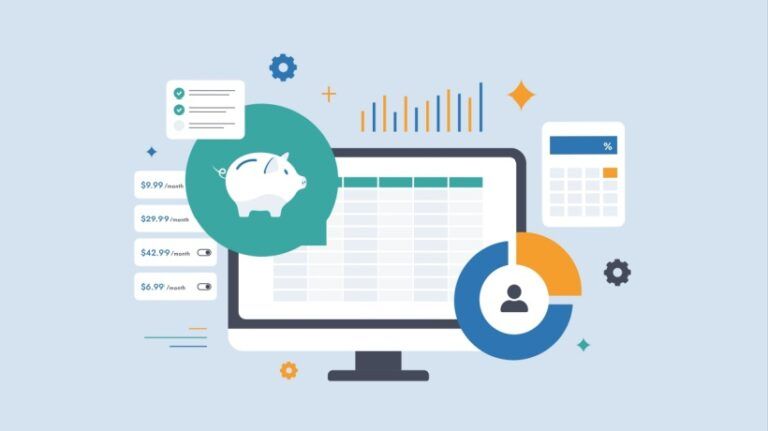
eLearning has made it easier than ever to understand personal finance and build better money habits effectively and efficiently. Many people struggle with budgeting, saving, and managing everyday expenses because they never properly learned these important skills in a practical and structured way. Online learning solves this problem by offering simple, clear lessons, real examples, and flexible access anytime. It helps learners improve their financial decisions, avoid common mistakes, and develop responsible spending habits over time, leading to long-term financial stability and success.
What Is Personal Finance?
Personal finance refers to the management of an individual's or family's money. It includes earning, spending, saving, investing, and planning for future expenses. Simply put, personal finance is about making informed decisions regarding your income, expenses, and financial goals to achieve financial stability and security. So, it covers key areas such as:
- Budgeting for daily expenses.
- Saving for emergencies and future goals.
- Managing debt responsibly.
- Planning for retirement.
- Investing wisely.
Why eLearning Improves Personal Finance
Digital learning platforms combine interactive elements like videos, quizzes, and simulations to make complex concepts easier to understand. Some of the main benefits include:
- Flexible access
Study anytime from your home, office, or on the go. - Interactive practice
Exercises that mirror real-world financial decisions. - Tailored content
Adaptive lessons focus on areas where you need more guidance.
This combination of flexibility and engagement makes eLearning an effective method for improving financial literacy.
Why Is Personal Finance Important?
Good personal finance practices are crucial for several reasons:
- Financial security
Proper management of income and expenses ensures that you can meet daily needs and handle emergencies without stress. - Debt management
Keeping debt under control prevents high interest and financial strain. Learning practical strategies for managing debt can help you stay on top of repayments while reducing financial pressure. - Future planning
Saving and investing wisely allows you to secure your retirement and major life goals like buying a home or funding education. - Better decision-making
With knowledge of personal finance, you can make informed choices about spending, borrowing, and investing.
Without effective personal finance skills, even a high income may not lead to financial stability.
How Can We Improve Personal Finance?
Improving personal finance requires both knowledge and practice. So, here are some ways:
- Create a budget
Track income and expenses to understand where your money goes. Allocate funds for essentials, savings, and leisure wisely. - Save regularly
Set aside a portion of your income every month for emergencies, investments, and future goals. - Control spending
Avoid impulsive purchases and focus on necessities and meaningful investments. - Manage debt
Keep track of loans and credit cards, pay bills on time, and prioritize clearing high-interest debt first. Online platforms offer interactive lessons on managing debt that make this process easier and more practical. - Invest smartly
Learn about low-risk and long-term investment options to grow wealth steadily. - Continuous learning
Stay updated about new financial tools, trends, and strategies. eLearning is particularly useful here because it offers practical courses on budgeting, saving, debt management, and investment planning.
Use Technology For Financial Tracking
Modern technology makes managing finances easier than ever. Mobile apps, budgeting tools, and online calculators help track spending, monitor savings goals, and plan investments efficiently. By leveraging these tools alongside eLearning, individuals can apply lessons in real time, stay accountable to their budgets, and make data-driven decisions. This combination of practical application and digital support ensures better financial outcomes and long-term habit formation.
Benefits Of Improving Personal Finance
Using eLearning to improve personal finance skills provides multiple benefits:
- Reduced stress
Financial control leads to peace of mind and less anxiety about money. - Better spending habits
Awareness helps prevent overspending and impulsive buying. - Financial independence
Smart decisions allow individuals to rely less on loans or external support. - Preparedness for emergencies
Savings and budgeting ensure you can handle unexpected expenses. - Long-term security
Investments and retirement planning help secure your future financially. - Confidence in decision-making
Knowledge of finances empowers individuals to make informed and responsible choices.
Conclusion
Personal finance is a critical life skill that affects every aspect of our financial well-being. Understanding how to manage income, expenses, savings, debt, and investments is essential for security, stability, and long-term growth. eLearning offers a convenient and effective way to enhance these skills, providing learners with tools, strategies, and practical exercises to make informed decisions, improve spending habits, and secure their financial future.