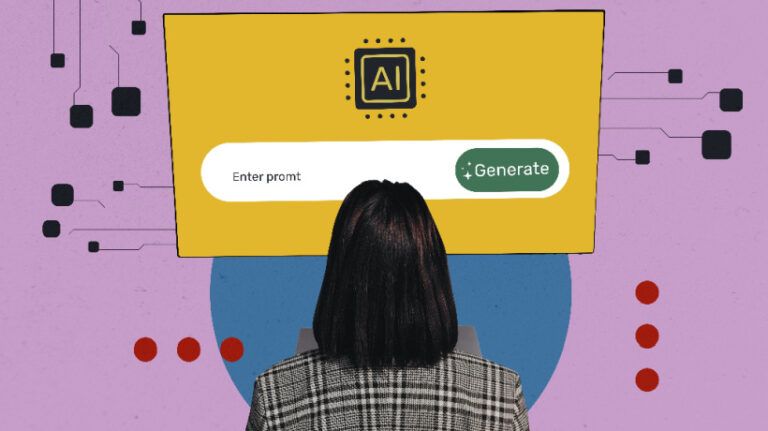





The Power Of GenAI Content
Among the most transformative technologies is generative AI (genAI), which is now enabling educators and creators to go from a simple text outline to a fully-fledged online course in minutes. This revolution isn't just about speed; it's reshaping the possibilities of learning itself.
Traditionally, building an online course required weeks or even months of planning, content creation, and design. But today, digital platforms powered by genAI can automatically generate structured lessons, quizzes, assignments, and multimedia content from a single prompt.
Imagine an instructor providing a short text summary of a topic, and within minutes, the AI produces:
- Detailed lesson plans
- Interactive video scripts
- Assessment questions with answer keys
- Supplementary reading lists
- Engaging infographics and visuals
This capability is not just theoretical. Leading digital learning platforms are already integrating genAI into their platforms, allowing creators to scale content production and democratize knowledge creation. Aspiring educators or entrepreneurs can now launch a complete online academy without extensive technical or Instructional Design expertise.
The implications are profound: educators can focus on mentorship and personalization, while AI handles the labor-intensive work of course creation. Students benefit from richer, more engaging learning experiences that adapt to their needs in real time.
Ethical AI Content: Ensuring Accuracy And Integrity
While genAI offers unprecedented speed and flexibility, it also introduces a critical challenge: accuracy. AI models can occasionally generate outdated, biased, or incorrect information. For digital platforms, this raises important ethical and pedagogical questions. How can we ensure that AI-generated courses remain reliable and trustworthy?
Human-In-The-Loop Verification
Leading digital learning platform companies are implementing human oversight in AI content generation. Educators or Subject Matter Experts review and validate AI-created materials before they reach students, ensuring that accuracy and context are maintained.
Real-Time Fact-Checking
Advanced AI systems can now cross-reference multiple authoritative sources to validate the content they produce. This reduces the risk of misinformation and helps maintain high educational standards.
Bias Detection And Inclusive Content
Ethical genAI systems are trained to recognize and mitigate cultural, gender, or regional biases. This is particularly important for global digital learning platforms, which serve diverse learner populations across multiple geographies.
Transparent AI Attribution
Students are increasingly aware of AI-generated content. Platforms are starting to include disclaimers or metadata indicating which parts of the course were AI-generated, fostering transparency and trust.
Democratizing Education Through AI
One of the most exciting aspects of genAI-driven content creation is its democratizing potential. Small creators, independent educators, and niche experts can now compete with large institutions by building professional-quality courses quickly and affordably. Digital learning platforms that integrate genAI can offer these creators a scalable toolkit, effectively lowering the barrier to entry for online education.
Moreover, genAI allows rapid adaptation of courses to local contexts, languages, and learner preferences. A single course can be dynamically adjusted to meet the needs of learners in different countries or at varying proficiency levels, creating a truly personalized and inclusive learning experience.
Preparing For A GenAI-Dominated Classroom
As genAI becomes more embedded in digital platforms for education, the role of educators is evolving. Instructors are shifting from content creators to facilitators, mentors, and curators. They guide learners through AI-generated materials, provide context, and ensure critical thinking. This hybrid model, where humans and AI collaborate, promises a richer and more interactive educational experience.
Digital publishing platforms are also rethinking their offerings. Instead of simply hosting static courses, they are becoming dynamic ecosystems where AI can generate, update, and optimize learning content continuously. The classroom of 2026 will likely be one where AI-driven materials and human guidance exist seamlessly side by side.
Conclusion
Generative AI is no longer a futuristic concept; it is actively reshaping the way education is created and delivered. From transforming a simple text outline into a full-fledged online course in minutes to ensuring ethical and accurate content, genAI is set to redefine the possibilities of learning. Digital learning platforms that embrace this technology are not just enhancing efficiency; they are democratizing education, empowering creators, and preparing learners for a rapidly evolving world.
By combining the speed and creativity of AI with human oversight and ethical considerations, the next generation of digital platforms will set the standard for accessible, reliable, and engaging learning experiences.




![The GenAI Playbook: An L&D Innovator's Guide To Leading-Edge Learning Transformation [eBook Launch]](https://cdn.elearningindustry.com/wp-content/uploads/2024/08/The-GenAI-Playbook-An-LD-Innovators-Guide-eBook-Launch.jpg)