
 ChatGPT
 Perplexity
 Claude
 Grok
Grok
Key LMS Features For Corporate Training
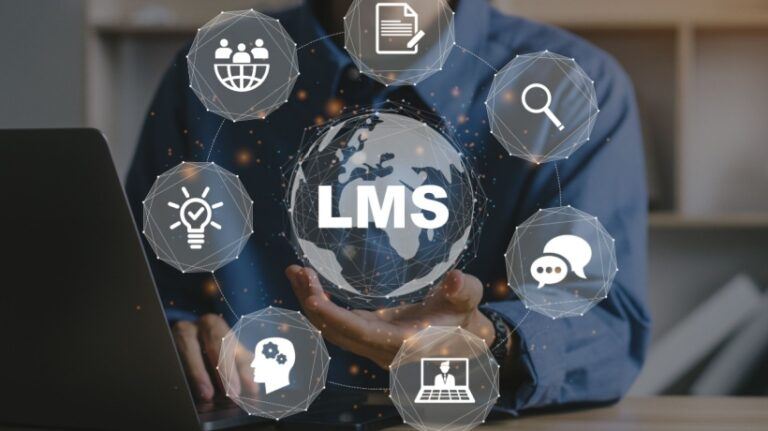
With the goal of giving their employees efficient learning possibilities, companies from all sectors are investing in features for tailored corporate Learning Management System (LMS) solutions in the competitive business environment of today. A corporate Learning Management System is a strategic tool that promotes employee growth, engagement, and performance rather than merely serving as a storehouse for training materials. Understanding the essential elements of a high-functioning platform is crucial for decision-makers considering LMS options, in order to choose the best option.
Essential Features For Employee Development
1. Personalized Learning Paths
To enhance efficacy, an efficient corporate LMS must have a number of key features for corporate training. Above all, customized learning pathways are essential. They enable businesses to design courses tailored to the abilities and professional aspirations of their workforce. For instance, technical professionals can concentrate on software proficiency, while customer service teams can receive training specifically designed for client contact. This method guarantees that each student interacts with information pertinent to their tasks, increasing overall output.
2. Branding And Customization
Customizable Learning Management Systems also enable companies to incorporate brand identity into the platform. From logos to themes and color schemes, this alignment reinforces company culture and ensures employees feel connected to the learning process. A familiar, branded environment can improve engagement and encourage consistent participation in training programs.
3. Scalability For Growing Organizations
Another cornerstone of employee development is scalability. As companies grow or expand into global markets, LMS platforms must accommodate multiple languages, user roles, and localized content. Scalable corporate LMS solutions ensure that organizations can maintain training consistency across departments and regions, delivering a seamless learning experience regardless of location.
4. Adaptive Learning And Engagement Tools
Employee training is also being revolutionized by adaptive learning technologies. These systems can modify content in real time by evaluating learner performance and development, guaranteeing that workers receive assistance where it is most required. Adaptive learning increases engagement and improves knowledge retention when combined with gamification components, tests, and simulations.
Tools And Integration For Corporate eLearning
1. System Integration Capabilities
When evaluating corporate eLearning platform features, integration with existing systems is a priority. Seamless connectivity with HR platforms, performance management tools, and CRM systems simplifies data exchange, automates course assignment, and generates actionable insights into employee progress. Organizations can then make informed decisions about workforce development and training investments.
2. Compliance And Regulatory Training
Compliance is another essential aspect of corporate learning. Industries such as healthcare, finance, and manufacturing require specialized training to meet regulatory standards. An effective LMS should provide compliance-focused modules, track completion, and generate detailed reports to demonstrate adherence. This ensures employees are well-informed, and companies remain audit-ready at all times.
3. Flexible Content Delivery Formats
Flexibility in content delivery is equally important. Modern employees prefer a variety of learning formats, from traditional eLearning modules to microlearning, mobile-based courses, and interactive VR/AR experiences. Tailored LMS features allow organizations to provide content in ways that suit different learning styles, improving knowledge retention and engagement.
4. Analytics And Reporting Tools
Advanced analytics and reporting capabilities are vital for evaluating training effectiveness. Tracking completion rates, assessment results, and learning trends provides managers with actionable insights into workforce performance. By leveraging these insights, organizations can refine training programs, align learning with business objectives, and continuously improve the employee learning experience.
5. User Experience And Interface Design
Finally, the User Experience should never be overlooked. An intuitive interface, personalized dashboards, and easy navigation make it simple for employees to access learning materials. A positive learning experience encourages participation, reinforces retention, and helps build a culture of continuous development.
Conclusion
Selecting a corporate LMS with the best features for employee training ensures that organizations can deliver meaningful, engaging, and measurable learning experiences. From personalized learning paths and scalable platforms to seamless integration and advanced analytics, the right LMS helps companies optimize workforce performance and drive professional growth.
By investing in essential LMS tools for employee development and prioritizing the employee learning experience, businesses can foster a culture of continuous learning, ensure compliance, and stay ahead in a competitive marketplace. Customizable corporate LMS solutions not only support current workforce needs but also adapt to future training requirements, making them a strategic asset for any organization.