


 ChatGPT
 Perplexity
 Claude
 Grok
Grok
Why The Future Of Education Will Be Hybrid
The educational landscape has seen a massive shift over the last few years. While fully remote learning took center stage at the height of the global disruptions of the pandemic, many students and educators have discovered that a flexible blend of online and in-person methods can offer the best of both worlds. This "hybrid" approach isn't just a short-term trend—it's rapidly becoming the foundation for the future of education. Below are several reasons why.
6 Top Features And Benefits of Hybrid Education
1. Greater Flexibility And Accessibility
One of the most significant benefits of hybrid learning is that it removes geographic and scheduling barriers.
- Geographic barriers
Students no longer need to live near a physical campus. Classes are accessible from anywhere with a stable internet connection. - Scheduling conflicts
Hybrid models let students attend classes online if they can't make it in person, helping them balance work, family, and study more effectively.
This level of flexibility ensures that education is no longer limited to those who can commit to a full-time, on-campus schedule.
2. Personalized Learning Paths
Each student learns differently, and hybrid models allow educators to craft more individualized learning experiences.
- Self-paced modules
Online components often include recorded lectures and digital materials that students can revisit on their own time. - Targeted in-person sessions
Classroom time can focus on discussions, group work, and hands-on projects that benefit from face-to-face interaction.
By blending online lessons with in-person support, students can learn at a pace and style that works best for them.
3. Enhanced Student Engagement
Contrary to the belief that online education can be isolating, a well-designed hybrid program can actually boost engagement.
- Interactive tools
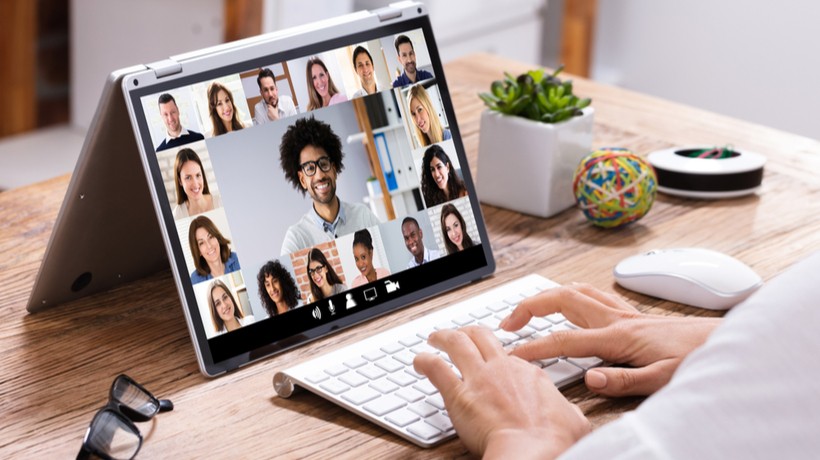
Video conferencing, live polls, and digital breakout rooms enable real-time interaction, even if students are logging in from different locations. - Dynamic in-person sessions
When learners do meet physically, they're more likely to engage in meaningful discussions and collaborative work, having already covered foundational material online.
This dual approach can lead to richer, more active learning experiences.
4. Cost-Efficiency For Institutions And Students
Running a purely physical campus can be expensive for schools, and travel and relocation can be expensive for students.
- Reduced overheads
Institutions can save on utilities, classroom materials, and building maintenance when part of the student body is remote. - Lower student expenses
Students save on commuting or housing costs, making education more accessible and affordable.
Hybrid models can reallocate those saved resources to improve educational quality—such as investing in better technology or hiring specialized faculty.
5. Real-World Skill Development
Today's workplaces often rely on virtual collaboration, digital tools, and global teams. Hybrid education prepares students for that reality.
- Tech-savvy graduates
Constant use of learning platforms and online communication tools translates into workplace-ready digital skills. - Collaboration practice
Group projects that include both on-campus and remote participants mimic the diverse, distributed teams that exist in most industries.
This alignment between educational practices and professional environments makes for a smoother transition into the workforce.
6. Resilience To Disruption
From natural disasters to global health emergencies, the ability to switch learning modes quickly is a significant advantage.
- Built-in redundancy
If one channel (e.g., in-person) is interrupted, virtual options can keep classes going. - Continuity of learning
Students don't lose progress because institutions can pivot seamlessly between face-to-face and online instruction.
Hybrid systems make schools and universities more adaptable, ensuring that education continues under challenging circumstances.
Final Thoughts
Education is undergoing a transformation, moving beyond traditional classroom confines into a flexible, tech-powered environment. Hybrid models capitalize on the strengths of both in-person and remote learning, offering flexibility, personalization, and real-world skill development. As technology continues to improve and our world becomes more interconnected, the hybrid approach is set to become the gold standard in education. By embracing this model, institutions can provide students with innovative, high-quality learning experiences that are both resilient and future-proof.