





Transforming B2B Workforce Skills With AI-Powered Learning Solutions
Corporate learning has fundamentally changed since the pandemic. What began as a crisis response has evolved into a strategic imperative for workforce transformation. After years of designing B2B and executive education platforms for higher education institutions and enterprises, I've watched online learning shift from simple content delivery to building capabilities at scale.
By 2025, most organizations recognized that traditional degrees alone no longer suffice. Recent research from DeVry University reveals that 67% of employers believe undergraduate degrees are misaligned with actual workplace skills [1]. This disconnect has driven enterprises and universities into a new era of B2B upskilling partnerships. The year 2026 will be about accelerating those partnerships through AI, data, and deeply integrated digital ecosystems.
From Emergency Response To Strategic Asset
In the immediate pandemic aftermath, organizations scrambled to digitize classroom programs. I worked with executive education teams focused purely on survival—speed trumped experience. By 2023 and 2024, priorities evolved. Enterprises started asking tougher questions:
Q1: How do we connect learning to tangible business outcomes?
Q2: How do we measure ROI beyond simple completion rates?
Q3: How do we reskill partners, customers, and employees at scale?
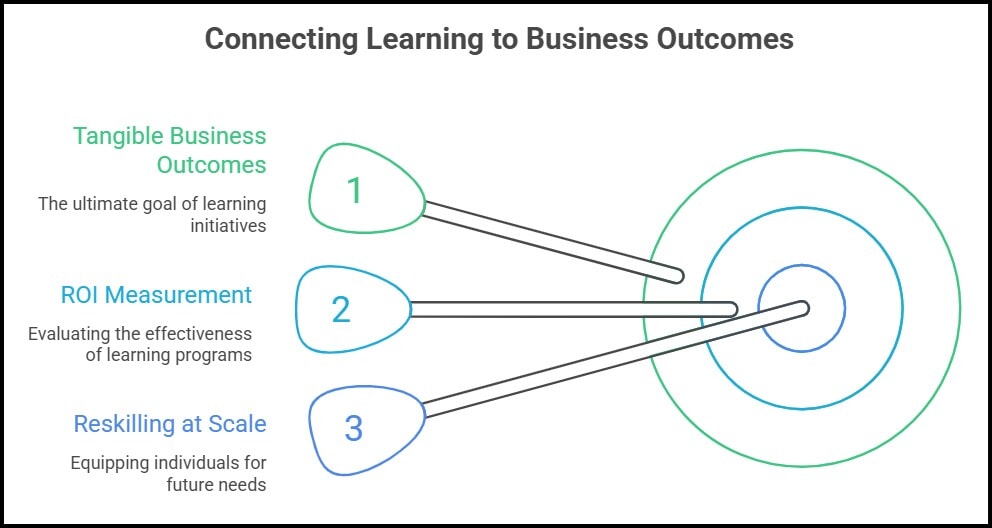
Figure 1. Key Strategic Questions for Learning Impact and ROI
This marked the maturation of online B2B education. Platforms were integrated with CRM, HR, and analytics tools. Salesforce-led ecosystems enabled organizations to manage learner journeys, automate enrollment and invoicing, and personalize engagement across B2B, B2C, and B2I models. Simultaneously, higher education institutions began collaborating directly with employers to co-create programs. This approach addresses what many call the "silent standoff"—where neither employers nor workers agree on who owns upskilling responsibility.
Why B2B Partnerships Became Essential
By 2025, B2B upskilling partnerships shifted from optional to critical. Economic volatility, AI acceleration, and geopolitical uncertainty have made skill relevance a constantly moving target. Enterprises struggle to find qualified talent while workers question whether their education keeps them employable. Successful partnerships focus on:
- Stackable, job-aligned credentials
Rather than lengthy academic cycles. - Flexible delivery models
That respect working professionals' schedules. - Durable skills
Like critical thinking, collaboration, and problem-solving alongside technical competencies.
Research consistently demonstrates that relevance matters. Nearly half of American workers feel their college education didn't prepare them for the job market, according to Preply. When learning disconnects from real work, engagement plummets and ROI suffers.
AI: From Future Promise To Present Reality
AI has become the backbone of modern learning platforms. In my current projects, AI isn't a future feature—it's embedded in recommendation engines, learner analytics, and automation workflows. CIO's guide on AI-powered workforce upskilling [2] outlines how the technology is reshaping learning ecosystems, highlighting personalization, predictive insights, and integration as core capabilities. Higher education is experiencing a parallel shift, with adaptive learning, intelligent tutoring, and analytics improving outcomes for learners and institutions. These principles now apply directly to B2B and executive education.
The 2026 Shift: Platforms To Intelligence
The year 2026 marks a transition from digital platforms to intelligent learning ecosystems. Based on trends across my client base, expectations are rising rapidly.
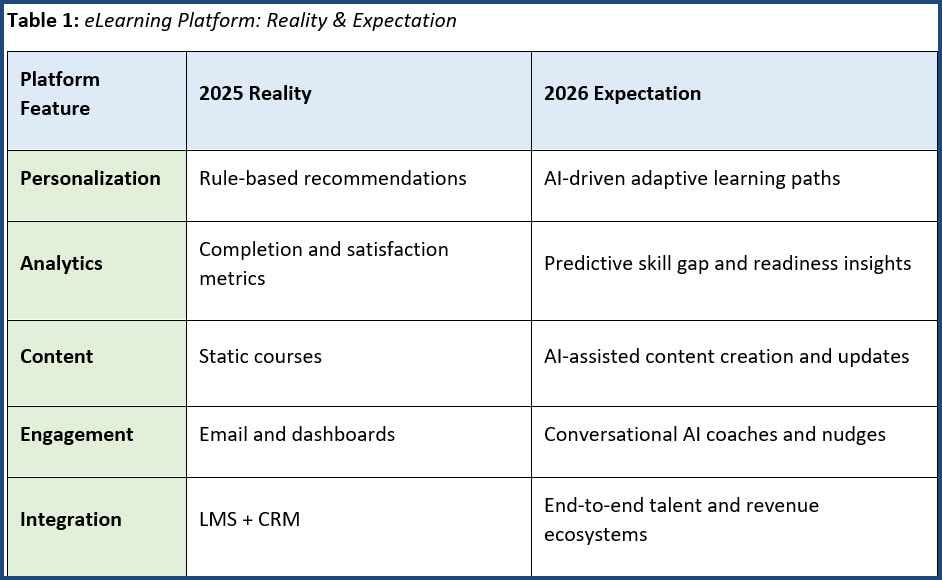
In 2026, learning platforms will proactively suggest skills based on role changes, market trends, and business priorities. Conversational AI will guide learners through programs like a digital coach, reducing dropout rates and building confidence.
Emerging AI Innovations In B2B Upskilling
Several AI innovations stand out as transformative:
- Revenue-aware learning platforms
Connecting learning outcomes directly to customer and partner performance. - Just-in-time learning
Delivering micro-learning within daily workflows. - AI-driven assessments
Measuring applied skills through simulations rather than traditional quizzes. - Skill graph intelligence
Mapping skills across roles, industries, and learning pathways to guide investment decisions.
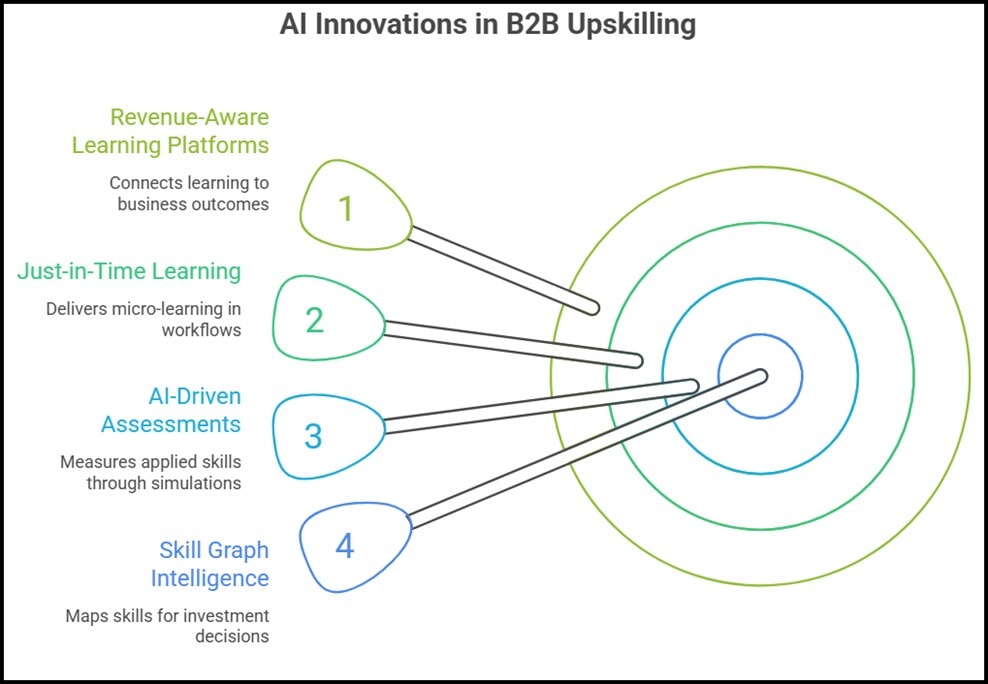
Figure 2. AI-Driven Learning Innovation and Workforce Intelligence
From a Salesforce perspective, this convergence of learning data and business data is particularly powerful. When learning ecosystems connect to sales, service, and partner ecosystems, education becomes a growth engine rather than a cost center.
Building Trust Through Relevance
The future of online B2B education transcends smarter technology. It's about rebuilding trust in learning itself. Workers feel anxious about the future, and employers face pressure to maintain productivity. AI can help, but only if learning experiences are relevant, transparent, and human-centered.
References:
[1] Bridging the gap: Overcoming a silent standoff in America's talent economy
[2] AI-powered learning ecosystems: A guide to workforce upskilling