
 ChatGPT
 Perplexity
 Claude
 Grok
Grok
Curiosity, Critical Thinking, And Collaboration Matter
According to UNESCO (and its 2025 SDG 4 Scorecard), about 272 million children and youth globally are out of school (i.e., not enrolled at any level: primary, secondary, or upper secondary). And educating them is much less expensive than sending rockets to space, with a higher ROI if you consider the long-term social, economic, and human benefits. Every additional year of schooling increases lifetime earnings by an average of 9–10%, reduces child mortality, and equips individuals to contribute to society in transformative ways. Meanwhile, trillions spent on high-profile scientific endeavors, while inspiring, affect only a fraction of the population. The contrast is stark: while some marvel at technology in orbit, millions of children remain earthbound in terms of opportunity as a result of the learning crisis.
Yet, even among children who are in school, the learning crisis persists. Around 617 million children and adolescents worldwide are not achieving minimum proficiency in reading and mathematics, according to UNESCO. This is the silent crisis of undereducation; enrollment alone is not enough. A school that exists without effective learning is a building without light. Here's where the learning industry can and must intervene. Technology, innovative curricula, and new pedagogical approaches are no longer futuristic ideas; they are tools that can be deployed today to radically expand access and improve outcomes.
Flipping The Classroom, Flipping The System
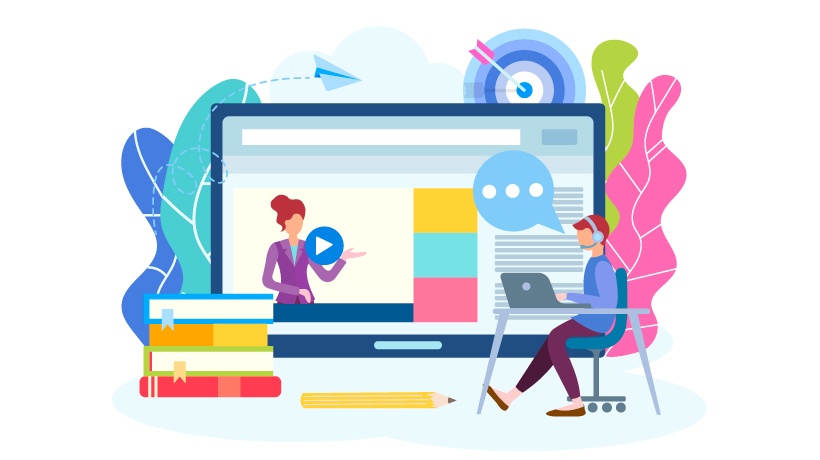
The flipped classroom model inverts traditional education: children engage with new material through videos, digital content, and interactive exercises outside the classroom, freeing class time for collaboration, mentorship, and guided practice.
But to make this truly effective and avert the learning crisis, educators themselves must transform how they collaborate. Too often, teachers blindly follow outdated systems, standardized tests, and rigid curricula that fail to reflect the realities of the children they serve. They feel isolated, constrained, or disempowered by policies that limit creativity.
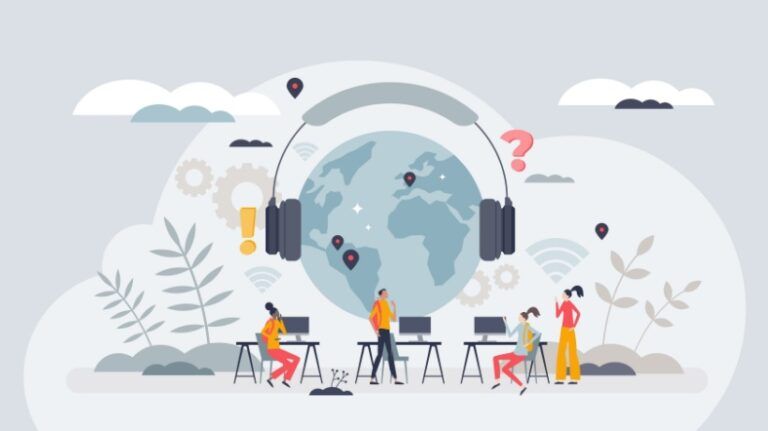
In a flipped scenario, teachers become co-creators of a learning ecosystem rather than cogs in a machine. Networks of educators sharing strategies, insights, and local adaptations accelerate learning outcomes and improve engagement. A teacher in rural India can implement a strategy tested by a peer in Brazil, adapting it to local culture and resources. Professional learning communities, online collaboration platforms, and peer mentorship programs become the scaffolding for systemic innovation.
When educators unite, teaching is no longer a solitary task but a collective mission to elevate every learner. The ROI is profound: children who receive meaningful guidance and personalized learning thrive, graduate, and contribute to society, multiplying the benefits of every dollar, hour, and resource invested.
Curiosity + Critical Thinking = The Human Edge
Information is everywhere, but understanding is not. Curiosity sparks discovery; critical thinking refines it. One without the other leads either to aimless wandering or cold certainty. Machines can deliver answers, but humans must teach meaning.
In a world drowning in data, facts, and AI-generated summaries, the human edge lies in cultivating minds that question, analyze, and innovate. The learning industry has a moral and strategic responsibility to prioritize this shift, designing solutions that develop not just knowledge, but wisdom and problem-solving capability.
A Call To Action For Learning Industry Leaders
Rather than content, the future of learning is built on curiosity, critical thinking, and the courage to transform outdated systems. As leaders in the learning industry, we have a choice: continue following the old playbook, or unite, collaborate, and design experiences that truly empower learners. Current sociotechnical systems need more data but the future needs educators and innovators bold enough to ignite minds.
The next generation of thinkers depends on us. Start creating change today. Share your ideas, challenge assumptions, and lead the conversation because curiosity and critical thinking are the highest-return investment humanity can make. Every system we improve, every classroom we energize, and every mindset we expand moves us closer to a world where learning empowers all. Educators, leaders, and innovators have the opportunity to collaborate, explore new approaches, and experiment with methods that inspire engagement, creativity, and deep understanding. When we embrace curiosity as a guiding principle, we unlock solutions that transform education from routine instruction into meaningful, lasting impact.
Dismantled, my latest book, offers insights and tools to reimagine education and empower every learner. It is designed to help educators, leaders, and innovators unlock creativity, break through barriers, and design learning experiences that prepare every learner for the opportunities ahead. The book provides strategies, examples, and practical guidance to rethink traditional approaches, cultivate environments where critical thinking thrives, and avert the learning crisis. The future of education begins with the actions we take now, the experiments we pursue, and the conversations we lead. Together, we can create learning cultures that not only teach but empower, inspire, and elevate humanity to reach its full potential.