


What Is Vocational Training?
Vocational training is a type of education that helps people learn practical skills for specific jobs or industries. Simply put, it prepares individuals for real work by offering hands-on experience, technical lessons, and applied knowledge. When people ask, "What is vocational training?" or "What does vocational training mean?" the answer is that it prepares people for work and builds useful skills, not just teaches academic theory.
Today, vocational training programs are becoming more important for building a skilled workforce. Unlike traditional education, which often focuses on general knowledge, vocational education helps people develop abilities that are directly useful on the job. This approach matches what employers want: workers who are ready to start and have clear, practical skills.
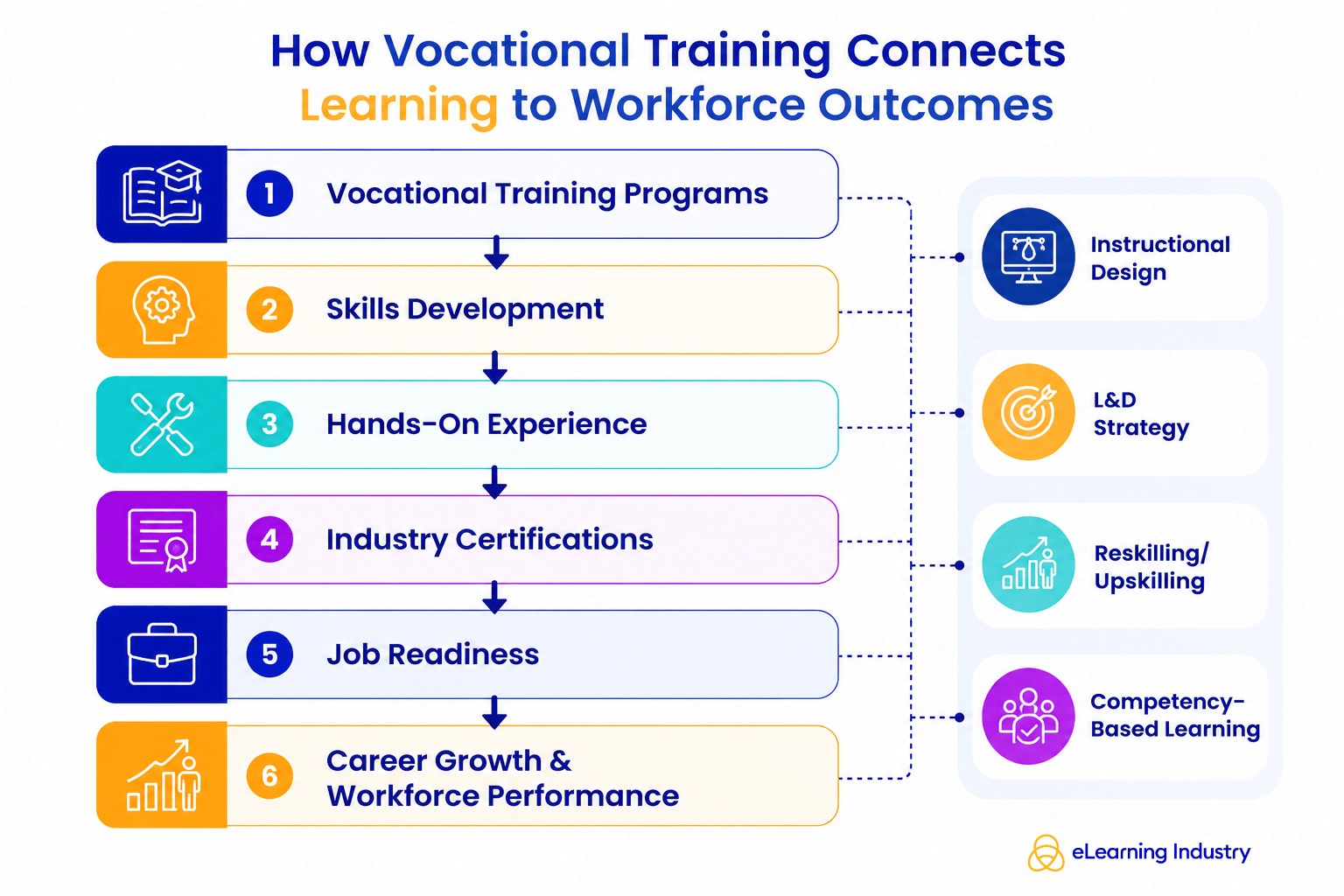
The vocational training's meaning has evolved alongside changing labor market needs. Companies now focus on practical skills that employees can use right away in fast-paced settings. As industries continue to face skills gaps, vocational courses and programs help connect education with real job needs. For L&D leaders and Instructional Designers, vocational training helps build stronger learning programs by supporting reskilling, upskilling, certification, and competency-based models. Therefore, this shift from theory to practical skills has made vocational training an important part of today's workforce planning.
What Is Vocational Education And How Does It Differ From Academic Learning?
Vocational training helps people develop practical skills they can use on the job. Vocational education prepares individuals for specific careers by focusing on applied learning and industry-focused instruction. In simple terms, the definition of vocational education refers to education programs designed to teach technical skills, hands-on experience, and workplace abilities needed for certain jobs.
Traditional academic programs usually focus on theory and exploring a wide range of subjects. In contrast, vocational education centers on real-world skills. Academic learning can prepare students for research or further study, but vocational training helps people get ready to join the workforce quickly with specific skills.
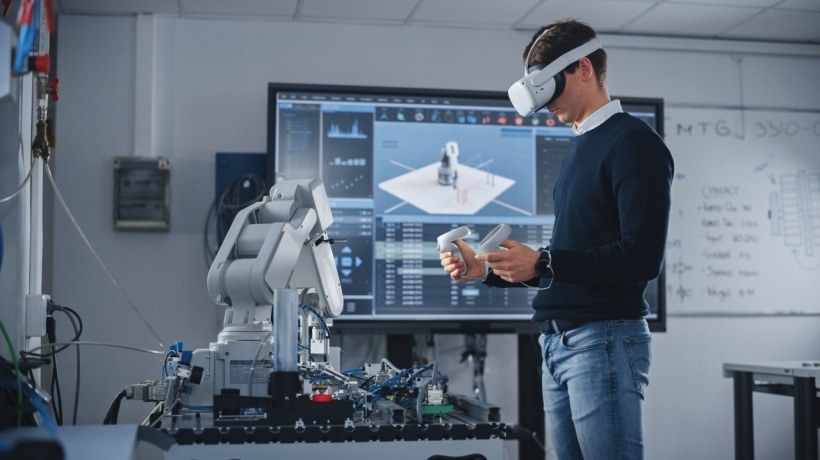
The meaning of vocational education has evolved significantly in recent years. Today's vocational programs blend classroom instruction with hands-on learning, such as simulations, labs, apprenticeships, internships, and certification tests. These methods help students gain experience and build skills that employers want.
In practice, vocational education matches learning with what jobs actually require. Many courses use competency-based systems that assess whether students can perform specific tasks, not just complete assignments. This close link to industry helps people find jobs and be ready to work in areas like healthcare, IT, manufacturing, skilled trades, and business.
Vocational Training Programs Explained
Vocational training programs focus on applied learning, technical competencies, and workforce readiness. Today, many organizations and educational institutions use vocational education programs to address skills gaps and prepare learners for evolving workplace demands.
A vocational training program combines theory, hands-on experience, and industry-aligned outcomes to ensure learners can perform effectively in real-world roles. These programs are commonly used in healthcare, IT, manufacturing, construction, hospitality, and other skills-driven sectors.
The structure of a vocational program typically includes:
- Classroom instruction: It focuses on measurable skills, workplace scenarios, and task-based learning objectives.
- Practical training modules: Hands-on training is also central to vocational education programs because it helps learners apply knowledge in simulated or real work environments.
- Assessments: Assessments often include practical demonstrations, portfolio work, and certification exams. Many vocational courses are designed around competency-based learning, allowing learners to demonstrate mastery through practical application rather than solely through theoretical testing.
- Certifications: In many vocational careers, certifications validate job readiness and support employability across industries.
- Delivery formats: Learners can now access vocational training courses through fully online programs, traditional in-person instruction, or hybrid models that combine digital learning with hands-on practice.
You can also find vocational training schools. A vocational training school typically delivers structured education through technical institutes, trade schools, or community colleges. Common vocational school examples include nursing schools, automotive institutes, and culinary academies.
Vocational Courses And Training Pathways
Vocational courses focus on applied learning, technical knowledge, and hands-on experience, preparing individuals for specific careers and industries. Understanding the vocational courses' meaning is important for Instructional Designers and L&D leaders who want to build training programs that support measurable business outcomes and workforce readiness.
Today, vocational training programs cover a wide range of industries and skill levels. A list of vocational courses may include healthcare certifications, IT support training, construction safety programs, hospitality management, and skilled trades education. These vocational education courses are typically categorized by industry, competency level, and career pathway.
Common Vocational Courses List Across Industries
- Healthcare: Healthcare vocational courses often focus on patient care, medical administration, pharmacy support, and healthcare technology.
- IT and digital skills: Vocational training courses may include cybersecurity, software support, data analytics, and cloud computing.
- Construction and engineering: These programs usually emphasize equipment operation, electrical systems, welding, and compliance with site safety standards.
- Hospitality and service: These industries rely heavily on vocational education programs for customer service, culinary training, hotel operations, and tourism management.
- Corporate L&D: Companies rely on these programs to close skills gaps, boost employee performance, and help new hires get up to speed faster. Upskilling and reskilling are common types of vocational training, especially as digital changes affect job roles.
Vocational Training Examples
Common examples of vocational training include healthcare certifications, IT support training, skilled trades education, and hospitality management courses.
Apprenticeships
Many vocational education programs use applied learning scenarios to strengthen workforce readiness. Apprenticeships are among the most recognized examples of vocational training because they combine classroom instruction with paid work experience under the guidance of industry professionals. Electricians, plumbers, and manufacturing technicians often begin their vocational careers through apprenticeship pathways.
On-The-Job Training
Employees learn directly in workplace environments while developing practical competencies tied to operational needs. This approach is common in healthcare, customer service, logistics, and corporate technology roles.
Simulation-Based Learning
Organizations use virtual labs, role-playing exercises, and scenario-based assessments to create safe environments for skill development. In healthcare and aviation, simulation-based vocational education improves both confidence and performance.
Micro-Credential Programs
Micro-credential programs are increasingly used for specialized training examples in workforce development. These short, focused vocational courses help professionals quickly gain targeted skills in areas such as cybersecurity, project management, and digital tools.
Vocational Jobs And Career Pathways
Many high-demand careers rely on vocational education programs and practical training rather than purely theoretical study. Common vocational careers include healthcare assistants, electricians, automotive technicians, IT support specialists, and hospitality professionals. These roles typically require vocational training courses that combine classroom instruction with real-world application.
For example, IT support specialists learn troubleshooting and systems management, while electricians and automotive technicians develop technical skills through hands-on vocational classes and supervised training environments.
Why Vocational Careers Are Increasingly In Demand
More people are choosing vocational careers as many industries struggle with skills shortages and workforce changes. Employers now look for candidates with practical skills and specialized training so they can start contributing right away. As companies focus on getting new hires up to speed quickly, vocational training programs help develop skilled professionals faster. This trend is part of a larger shift toward hiring based on skills across different industries.
Vocational Training In Modern L&D Strategy
Vocational training now plays a key role in L&D strategies as companies put more emphasis on practical, job-ready skills. Many L&D leaders use these frameworks to close skills gaps, boost workforce readiness, and drive long-term business growth. Unlike traditional academic models, vocational programs focus on real-world workplace needs, making them especially valuable in fast-changing industries.
More organizations are adding vocational training to their learning programs. They often combine vocational courses, digital platforms, mentorship, and hands-on practice into a single employee development plan. Competency-based learning is important because it checks if employees can use their skills in real work situations.
Digital transformation has made vocational training more accessible through online courses, simulations, virtual labs, and mobile platforms. This shift makes vocational learning easier to scale and more flexible for teams working in different locations.
Designing Vocational Training Programs For Organizations
- Needs analysis: Effective vocational training programs begin with a detailed needs analysis to identify skill gaps and business priorities.
- Curriculum mapping: From there, L&D teams use curriculum mapping to align vocational courses with job roles and performance outcomes.
- Delivery format: Many organizations now combine instructor-led sessions, eLearning, and practical workshops through blended learning strategies.
- Assessment: A strong assessment and certification design also helps validate vocational experience and ensures employees gain measurable, industry-relevant competencies.
Key Benefits Of Vocational Training For Organizations And Employees
As industries continue shifting toward skills-based hiring, many businesses are investing in vocational training programs and vocational education courses to close workforce gaps and improve operational performance.
Faster Workforce Readiness
Vocational courses focus on applied, hands-on experience that prepares learners for real workplace responsibilities. Whether through vocational training schools, apprenticeships, or internal corporate programs, employees gain practical skills that can be used immediately on the job. This shortens onboarding time and helps organizations respond more quickly to changing business demands.
Reduced Skills Gaps
Many employers struggle to find professionals with specialized technical or operational capabilities. By implementing targeted vocational education programs, organizations can align learning directly with workforce needs. Examples of vocational training include healthcare certifications, IT support training, manufacturing safety programs, and skilled trade development. These vocational studies strengthen the connection between learning outcomes and business performance.
Improved Employee Retention And Productivity
Employees who receive vocational experience and structured career development opportunities are often more engaged and confident in their roles. Clear vocational program pathways also help employees understand future advancement opportunities, which can support long-term retention.
Scalability
Digital learning platforms, blended vocational class models, and online vocational training courses allow organizations to train larger workforces efficiently across multiple locations. For Instructional Designers and learning leaders, this creates opportunities to design flexible vocational programs that support both organizational growth and continuous workforce development.
Conclusion
For Instructional Designers and L&D leaders, the goal is no longer just delivering content but creating learning experiences that directly improve performance and support business outcomes. For this reason, vocational training programs are the best choice for closing skills gaps faster and preparing employees for evolving roles. Teams that connect learning strategy with real workplace demands will be better positioned to support long-term organizational growth and workforce adaptability.