


 ChatGPT
 Perplexity
 Claude
 Grok
Grok
Training Content Was Taking Too Long To Update
A few months ago, our team realized something frustrating. We weren't struggling to create training content. We were struggling to keep it updated. Every time we needed a new onboarding tutorial, process walkthrough, or internal explainer, the workflow became bigger than expected:
- Writing scripts
- Recording screens
- Editing clips
- Fixing subtitles
- Exporting revisions
- Sending drafts for feedback
Even short internal videos could easily take days. And the worst part was that some materials were already outdated by the time we finished them. For smaller teams, especially teams without dedicated video editors, this process becomes difficult very quickly. At first, we weren't actively searching for AI video generators. We were honestly just looking for a way to reduce production friction.
Why Traditional Training Videos Felt Heavy
One thing I noticed is that most internal learning content follows the same old production logic: make one polished training video and keep using it for months. But modern workflows don't really move that slowly anymore. Products update constantly. Internal tools change. Processes evolve. And onboarding materials often need small revisions every few weeks.
That means teams spend more time maintaining training content than actually improving the learning experience itself. The bigger the organization becomes, the harder that cycle gets.
We Started Testing Short AI Video Workflows
Our first experiments were actually pretty simple. We wanted to see whether AI-generated video could help us prototype learning content faster before investing time into full production.
Most tools we tried felt either:
- Too focused on social media
- Too template-heavy
- Or difficult to control consistently
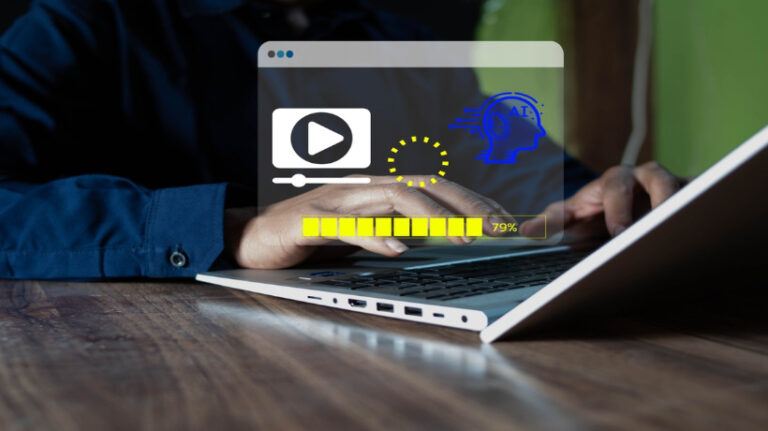
Then, we discovered an AI video tool that was easy to test quickly inside a browser without changing our existing workflow too much. What stood out immediately was how fast we could turn rough ideas into visual drafts.
Instead of spending hours editing placeholder videos just to explain a concept internally, we could quickly create short visual sequences for:
- Onboarding ideas
- Workflow demonstrations
- Internal process explainers
- Customer education concepts
That changed our review process more than I expected.
The Biggest Benefit Wasn't "Automation"
A lot of people assume AI video is mainly about replacing production work completely. That wasn't our experience. The biggest advantage was actually iteration speed.
Before, even small changes created extra work:
- Reopening projects
- Re-editing clips
- Exporting again
- Updating subtitles
- Repeating approval cycles
Once visual prototyping became easier, our team started testing ideas much earlier in the process. And honestly, conversations improved because stakeholders reacted better to rough visual concepts than long written documents. Sometimes a quick visual draft communicates more than several pages of internal notes.
We Naturally Shifted Toward Microlearning
Another interesting thing happened after a few weeks. As creating videos became easier, we stopped trying to make long training modules.
Instead, we started building:
- 30-second onboarding clips
- Short SOP walkthroughs
- Visual reminders
- Quick feature explanations
- Process-focused mini tutorials
And people actually watched them. Long internal training videos usually feel like homework. Short learning clips felt easier to consume and easier to revisit later when someone needed help quickly. That shift alone probably improved engagement more than any "AI feature."
AI Still Needs Human Direction
One thing became obvious pretty quickly: AI-generated training content still needs strong human input.
The quality depends heavily on:
- Context
- Structure
- Learning goals
- Clarity
- Audience understanding
The best results came when:
- Instructional Designers handled the learning flow,
- Team leads reviewed accuracy,
- AI handled repetitive production tasks.
Trying to automate everything completely usually created generic video content that felt disconnected from real workflows, but using AI as a production assistant worked surprisingly well. That balance mattered much more than trying to remove humans from the process.
Why Smaller Teams May Benefit The Most
I honestly think smaller L&D teams may benefit from these workflows more than large enterprises. Big organizations often already have production systems in place. Smaller teams usually don't. When you have limited time, limited editors, and constant requests for updated training materials, even small workflow improvements make a noticeable difference.
That's probably why AI video tools started becoming useful for us—not because they replaced traditional production entirely, but because they lowered the barrier to creating visual learning content more consistently.
Especially for:
- Onboarding
- Internal communication
- Process training
- Distributed teams
- Multilingual learning support
Final Thoughts
I don't think AI video tools magically solve every training problem, but after several months of experimenting with different workflows, I do think they change how teams approach learning content creation. The biggest shift isn't "AI replaces training teams." It's more like: "Teams can iterate learning content faster without turning every update into a full production project."
And honestly, for modern workplace learning, that may be the more practical improvement anyway.