
 ChatGPT
 Perplexity
 Claude
 Grok
Grok
What Is Online Learning? A Comprehensive Guide
Learning no longer has to happen inside a classroom. With an internet connection and a device, people can attend lessons, complete coursework, and build new skills from almost anywhere. That is why online learning has become a practical option for students, professionals, and anyone looking to continue learning without being tied to a physical location.
What Is Online Learning
Online learning is simply education delivered through the internet. Instead of sitting in a classroom, learners access lessons, assignments, and study materials through digital platforms. Some courses include live sessions, while others let you work through content whenever it fits your schedule. The experience can look different from one course to another, but the goal remains the same: helping people learn wherever they are.
How Online Learning Works
At its core, online learning replaces the classroom with a digital space. Students use a computer, tablet, or phone to access lessons, submit assignments, and communicate with instructors. Some courses run live at set times, which feels a lot like a traditional class. Others are self-paced, allowing learners to study when they have the time. Most programs use a mix of both because flexibility is useful, but so are opportunities to ask questions and interact with others.
Learning Management Systems
Most online courses are built around a Learning Management System, often called an LMS. Think of it as the main hub where everything lives. Lessons, assignments, grades, announcements, and discussion boards are all kept in one place. Without these platforms, online learning would quickly become disorganized. They give students a clear path to follow and make it easier for instructors to manage coursework and track progress.
Digital Learning Content
Online learning would not work without digital content. Instead of relying entirely on printed textbooks, courses often include videos, interactive exercises, downloadable resources, and virtual activities. Different formats help different learners. Some people prefer watching a demonstration. Others learn better by reading or trying something themselves. Having multiple options makes the learning experience more flexible and often more engaging.
Virtual Communication and Collaboration
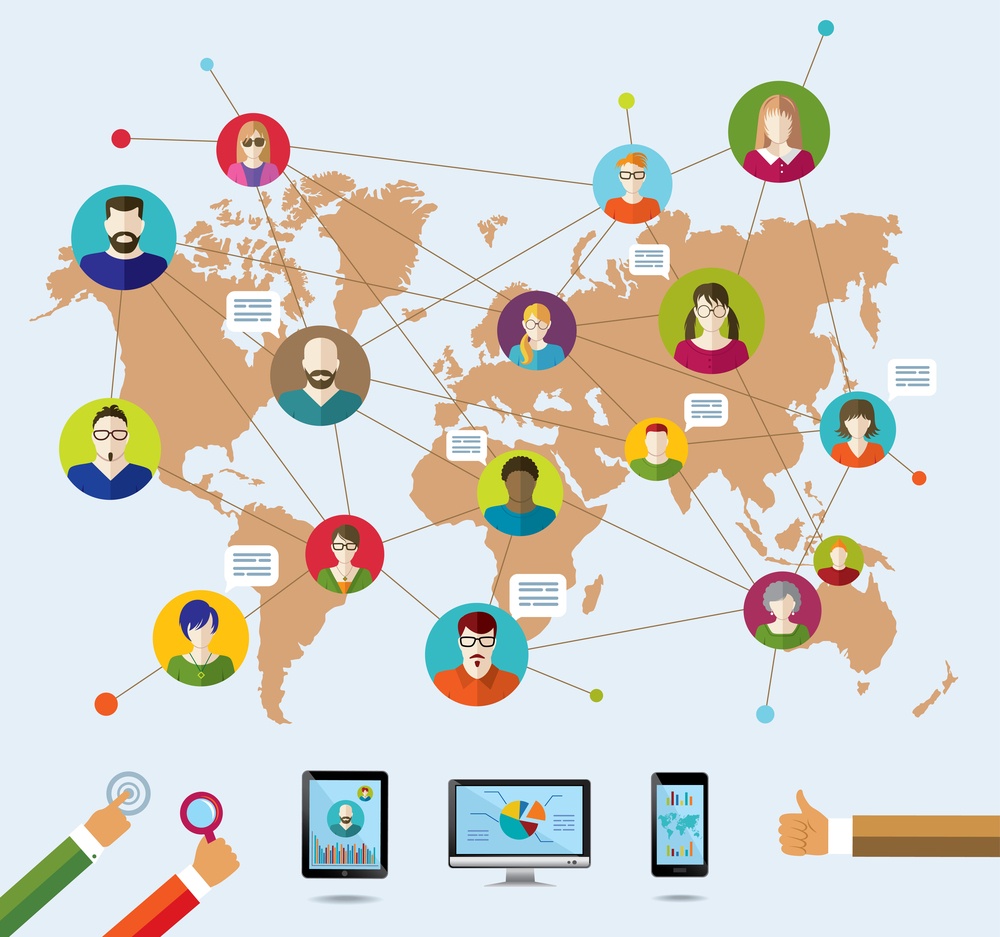
A common misconception is that online learning means learning alone. In reality, communication plays a big role. Students may join live discussions, work on group projects, participate in forums, or message instructors directly. Some courses are highly interactive, while others are more independent. Either way, digital tools make it possible for people in different locations to learn and collaborate without being in the same room.
Types of Online Learning
Not everyone learns online in the same way. Some people like the structure of the scheduled classes, while others prefer working through lessons whenever they have time. That is why online learning comes in a few different formats. The right option depends on how much flexibility you need, how you like to learn, and whether you prefer learning on your own or interacting with instructors and classmates.
Synchronous Learning
This is the closest thing to a traditional classroom. Everyone joins at the same time, whether it is for a lecture, workshop, or group discussion. You can ask questions on the spot and get immediate answers. Some learners enjoy that structure because it helps them stay accountable.
Asynchronous Learning
A lot of online courses work this way. The lessons, readings, and assignments are already available, and you decide when to complete them. It offers more freedom and flexibility, but there's still a problem. Without fixed class times, it is easy to keep pushing lessons to tomorrow.
Blended Learning
Some learners want flexibility without losing human interaction. That is where blended learning fits in. Part of the learning happens online, while the rest takes place in a classroom or in live sessions. It gives students more control over their learning without removing the support and discussion that often come from face-to-face teaching.
Self-Paced Learning
This option gives learners the most control. You move through lessons at your own speed and spend more time on topics that need extra attention. Some people finish quickly. Others take their time. The challenge isn't accessing the material. It is staying motivated when nobody is reminding you to keep going.
Advantages And Disadvantages Of Online Learning
Anything that comes with benefits brings along some drawbacks, too. Online learning is flexible, cost-effective, and gives you a broad range of options. However, it can also lead to social isolation and screen fatigue, which can affect your eyesight. Moderation and self-discipline are the keys.
Advantages Of Online Learning
The reason that online learning became so popular is not just technology. It is convenient. For many people, the biggest benefit is being able to fit learning around life instead of rearranging life around learning. A parent can study after the kids are asleep. A working professional can take a course without quitting their job. That wasn't always possible with traditional education. Some more advantages include:
- Location matters less, too.
- People being able to learn at their own pace is yet another advantage of online learning. Plus, the cost can be lower, too.
- Learners can pick skills they were not expecting to develop directly.
Disadvantages of Online Learning
Online learning sounds simple on paper. Log in, watch lessons, and complete assignments. The reality can be a little different. A lot of students discover that flexibility comes with responsibility. Nobody is standing at the front of the classroom reminding you to pay attention. If distractions are nearby, it is easy to lose focus. Some more disadvantages include:
- The lack of face-to-face interaction can also be difficult.
- Technology can create problems, too.
- The screen fatigue issue is real.
- Online learning has limits if the course requires practical knowledge.
| Advantages | Disadvantages |
| Flexible learning schedule | Requires self-discipline |
| Learn from anywhere | Less face-to-face interaction |
| Wider course access | Technology dependence |
| Cost-effective | Screen fatigue |
| Personalized learning | Potential distractions |
How Is Online Learning Helpful
More than anything else, online learning has transformed the dynamics of the education system. Today, teachers are not limited to just what is mentioned; they can pour out some interesting facts and information related to the topic. This way, students get to learn more and better, making online learning helpful for kids as they can learn at their own pace. Online data is so widespread that anyone can tap into the world of information without limiting themselves.
Flexibility
No matter where and when, learners have the flexibility to access the knowledge they require. The flexibility of absorbing knowledge is the greatest help for students as well as teachers. The freedom sounds simple, but for many learners, it is the difference between being able to study and not studying at all.
Access to a Wide Range of Courses
Learners can sit at their desks and tap into the world of courses that are sometimes even free of cost. They now have access to a wide range of courses that amplify their experience of learning. Sometimes the challenge isn't finding a course. It is deciding which one to take.
Self-Paced Learning
Learners now need not learn unprepared. With online access to all the data, they have the liberty to learn at their own pace. Online learning gives students more control. If a topic feels difficult, they can spend extra time on it.
Improved Critical Thinking and Problem-Solving Skills
One thing that usually gets overlooked is how much independent thinking online learning requires. When you are studying online, answers aren't always sitting right in front of you. You have to research, compare sources, figure out what's reliable, and solve problems on your own. Even simple things like troubleshooting a technical issue can become part of the learning process.
Digital and Technology Skills
Most jobs involve technology in some form now. Online learning naturally helps people become more comfortable using it. Students spend time working with video calls, shared documents, learning platforms, discussion forums, and digital resources.
How Is Online Learning Not Helpful
Online learning works well for some people. For others, it exposes problems that don't show up until a few weeks into a course. The flexibility sounds great at first. Then come distractions and technical issues. Staying motivated becomes harder than expected. Some subjects also depend heavily on hands-on practice, which a screen simply can't replace.
Lack of Face-to-Face Interaction
We usually don't realize how much we rely on everyday classroom interactions until those interactions disappear. A video call isn't the same as sitting in a room with classmates. Students miss out on asking random and quick questions or picking up on body language. Online courses can sometimes feel isolating.
Technical Difficulties
Technical difficulties can make online learning frustrating. A poor internet connection, a frozen platform, or a laptop that decides to update during the class can disrupt learning. All these technical issues can throw the whole class off. Missing even ten minutes of an unimportant lesson might not sound like much, but those interruptions add up over time.
Limited Access to Resources
People usually assume online learning only requires a device and internet access. The reality is much more complicated. Not everyone has a reliable computer, fast broadband, or even a quiet place to study. Some subjects also depend on physical equipment, labs, or studio spaces.
Self-Motivation Challenges
This is probably where many online learners struggle the most. Without a teacher physically present or classmates working beside you, it is easy to postpone things. One missed lesson turns into two. Then a week passes. Online learning gives you freedom, but that freedom comes with responsibility.
Limited Access To Certain Programs
Some skills need hands-on experience. You can learn theory online, but fields like nursing, engineering, laboratory sciences, and skilled courses usually require real equipment, supervised practice, and immediate feedback.
Features Of A Good Online Learning Program
Not all online courses are created equally. Some make learning feel simple. Others leave you clicking through endless menus trying to figure out where the next lesson is hiding. The difference usually comes down to how the program is designed and how well it supports learners throughout the journey.
Clear Learning Structure
One thing that quickly frustrates learners is confusion. A good online program doesn't throw everything at you at once. It breaks topics into manageable sections and gives you a clear path to follow. You know what you are learning, why you are learning it, and what comes next.
Instructor Support
A lot of people assume online learning means learning completely on your own. That is not entirely true. Strong instructor support can make a huge difference, especially when you are stuck on a concept or losing momentum. Good instructors stay visible. They answer questions, provide feedback, and check in when students seem to be struggling.
Progress Tracking
Most learners like knowing they are moving forward. That is why good online programs make progress easy to see. Whether it's a completion bar, a checklist, or a dashboard showing finished modules, visual progress helps people stay motivated.
Accessible Learning Experience
This is something that many course creators overlook. People learn in different ways and under different circumstances. A good online program should work well across devices, support learners who use assistive technologies, and make content easy to access regardless of ability.
How To Succeed With Online Learning
Two main tips for success are being consistent and disciplined. The moment you lose control and discipline is the moment you will regret starting online learning. Without a classroom to show up to every day, it is surprisingly easy to fall behind. The students who do well online usually aren't the smartest in the room. They are the ones who build habits that keep them moving forward, even on days when motivation is low.
Create a Learning Schedule
One common mistake that many learners make is studying only when they "feel like it." That works for a few days. Then life gets busy. Online learning becomes much easier when you give it a regular place in your week. Treat study sessions like appointments rather than optional tasks.
Build a Dedicated Study Space
The environment around you plays a major role. Trying to learn from the same place where you watch TV, scroll social media, or take naps can make it harder to focus. Your brain starts associating that space with everything except studying.
Stay Engaged and Participate
Here is something that catches online learners off guard. Watching lessons isn't the same as learning. It is easy to sit through a lecture, nod along, and feel productive. Then, a week later, you remember almost none of it. Real learning mostly happens when you interact with the material.
Seek Help When Needed
Many online learners wait far too long before asking for help. They assume they will figure things out eventually. Sometimes they do. Sometimes a small problem grows into a major obstacle. If you are confused about a topic, struggling with an assignment, or falling behind, reach out early and save time.
The Future of Online Learning
The future of learning is quite bright if taken up seriously and responsibly. The most interesting thing is that online learning is still evolving. A few years ago, most courses were little more than recorded lectures and downloadable PDFs. That is already changing. Learners now expect more interaction and more flexibility. The future probably won't be about replacing classrooms, but about being in between.
AI-Powered Learning
Most people have already seen AI being used to answer questions or generate content. Education is becoming one of its biggest use cases. Instead of giving every learner the same experience, AI can help identify where someone is struggling and adjust the learning path accordingly.
Skills-Based Education
A lot of learners are starting to care less about collecting certificates and more about building practical skills. Employers are asking similar questions. Can you do the work? Can you solve problems? Can you adapt? People want learning that connects directly to the real world.
Hybrid Learning Models
Not everyone wants a fully online experience. Not everyone wants to be in a classroom every day, either. That is where hybrid learning fits in. It combines the flexibility of online study with the interaction and accountability that come from meeting instructors or classmates in person.
Editor's Note: Check out our directory to find, choose, and compare Top LMS Software.