

 ChatGPT
 Perplexity
 Claude
 Grok
Grok
Hybrid Research Mentoring Program: Redesign
While designing and evaluating a hybrid research-mentoring program for high school students, I discovered a critical flaw in the traditional model: students whose initial research proposals fell short of the required standards were simply eliminated from the process, usually without receiving clear, structured, and actionable feedback. This early exclusion not only crushed their motivation but also deprived them of the chance to learn from their mistakes genuinely.
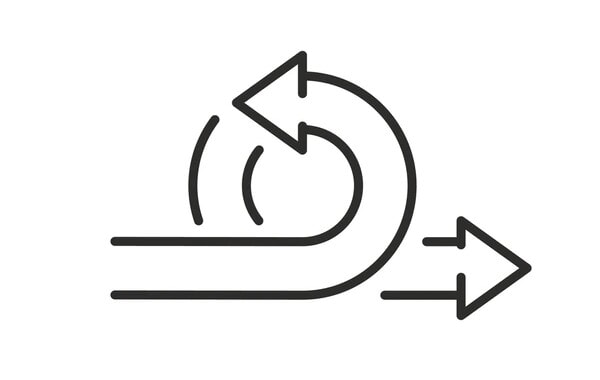
To close this gap, I created the "Proposal Revision Loop"—a feedback-driven, iterative learning model rooted in David Kolb's experiential learning cycle (1984). In Iran, the program was implemented under the local name "Second-Chance Proposal-Writing Course." The results were striking: it dramatically increased the rate at which students successfully reentered the main research track, and has since become a scalable, replicable framework for research education in schools.
Why The Model Was Needed
Analysis of hundreds of rejected high school proposals revealed recurring, predictable weaknesses:
- Failure to distinguish between a general topic, a research problem, and a research question
- Descriptive rather than analytical literature reviews, often lacking credible sources
- Missing or incoherent methodology sections (population, sampling, instruments, validity/reliability)
- Nonacademic tone and inappropriate or excessive use of generative AI
These issues were not merely formatting errors; they reflected a deeper lack of understanding of research logic. Instead of discarding the students, we built a short, intensive, fully asynchronous intervention that targeted exactly these pain points.
Structure Of The Proposal Revision Loop (3 Days + Finalization Phase)
The course is deliberately designed so that each student experiences the full "experience → feedback → reflection → revision" cycle multiple times in just a few days:
Day 1: Mastering The Research Problem And Question
- Goal
Enable students to extract a genuine research problem and a well-formulated question from any topic. - Content
10–15 minute video/podcast + quick-fill tables + correct vs. incorrect examples - Exercise
Extract problem and question from 5 diverse topics → personalized feedback within 24 hours
Day 2: Theoretical Framework And Literature Review
- Goal
Learn the difference between the conceptual framework and the empirical background; write analytically instead of descriptively. - Content
Step-by-step writing formula + real examples - Exercise
Write three key theoretical concepts (four to six lines each + proper citation) → detailed individual feedback
Day 3: Research Methodology
- Goal
Master all methodological components in a clear, tabular format. - Content
Standard methodology template (method, population, sample, instruments, validity, etc.) - Exercise
Complete the table for their own topic + two additional examples → personal feedback
After The Three Core Days
- A concise two-page package is sent: blank standard proposal template + one fully worked example
- One single final Q&A opportunity with the mentor (to prevent overdependence)
- One week to submit the complete revised proposal
- Five-minute asynchronous video presentation (slides + narration)
- Dual independent review (course mentor + external academic reviewer) using a standardized rubric
Why This Is A Commercially Viable And Highly Scalable Product
- 100% asynchronous → can serve hundreds or thousands of students simultaneously
- Extremely low marginal cost (only mentor salaries and one-time content creation)
- All videos, templates, rubrics, and exercises are evergreen and reusable year after year
- Easily branded and licensed to individual schools, regional education departments, or EdTech platforms
- High conversion rate from "rejected student" to "active researcher" → strong satisfaction for parents and school administrators
The Proposal Revision Loop is no longer just a remedial course; it is a smart, evidence-based, deeply human educational product that proves early elimination of talent is unnecessary. With one intelligent feedback loop, we can give every motivated student a real second chance and turn potential dropouts into capable young researchers. This model is now fully packaged, tested, and ready for branding, licensing, and widespread deployment across schools and online learning platforms.
Conclusion
From an EdTech perspective, the Proposal Revision Loop is a ready-to-deploy, high-impact micro-product: a three-day asynchronous course with evergreen video lessons, smart templates, automated exercise routing, and scalable one-to-one feedback via mentor queues. It converts "rejected" students (a pain point for every research program) into revenue-positive, satisfied users while dramatically lifting completion rates. With near-zero marginal cost after initial build, plug-and-play branding, and proven 75% reentry success, it's an ideal white-label module for school LMS platforms, MOOC providers, or national STEM initiatives. In short: a lean, evidence-based EdTech asset that turns dropout risk into measurable growth.
Image Credits:
- The image within the body of the article was created/supplied by the author.