

 ChatGPT
 Perplexity
 Claude
 Grok
Grok
How LMS Platforms Scale Learning For Teams
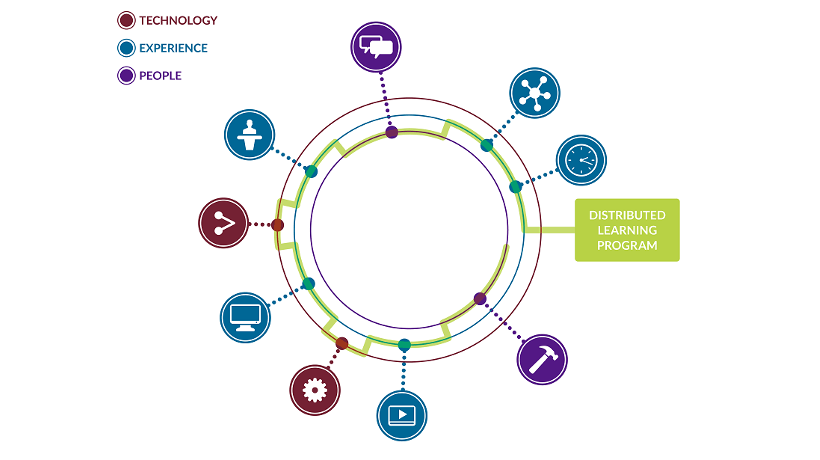
Work today doesn't happen in one place anymore. Teams are spread across cities, countries, and time zones. Sales teams work in the field, support teams work remotely, and new hires join from different locations. While this gives organizations flexibility and reach, it also makes learning and development more complex. How do you train everyone consistently? How do you ensure people are actually learning? And most importantly, how do you scale learning without losing control? This is where a Learning Management System (LMS) becomes essential to help you manage, track, and improve learning across distributed teams.
The Challenge Of Distributed Learning
When teams are not in one place, traditional training methods start to break down. Classroom sessions are difficult to coordinate. Scheduling becomes a challenge. And even when training happens, it's hard to ensure consistency across locations. Some common challenges organizations face include:
- Different teams receive different levels of training.
- Delays in onboarding due to logistical issues.
- Lack of visibility into who has completed training.
- Difficulty in tracking performance and readiness.
- Low engagement when learning feels disconnected from daily work.
Over time, this leads to uneven skill levels, compliance risks, and slower business performance. Scaling learning without a structured system often results in more chaos, not more capability.
Why An LMS Is Critical For Distributed Teams
An LMS helps centralize and simplify learning. But more importantly, it gives organizations control without restricting flexibility [1]. Instead of managing training manually, everything is organized in one place. Employees can access learning anytime, while leaders can track progress in real time. A well-designed LMS helps you:
- Deliver consistent learning across locations.
- Ensure every employee follows the same standards.
- Track progress, completion, and readiness.
- Reduce dependency on physical training sessions.
- Support continuous learning instead of one-time events.
This balance between access and control is what makes LMS platforms powerful for distributed teams.
Scaling Learning Without Losing Control: LMS For Distributed Learning
Scaling learning is not just about adding more users. It's about maintaining quality, consistency, and visibility as you grow. Here's how an LMS makes that possible:
1. Standardized Learning Across Teams
With an LMS, you can create structured learning paths that are assigned based on roles or functions. This ensures that every employee—regardless of location—receives the same level of training. It reduces inconsistencies and helps maintain quality across the organization [2]. When learning is standardized, you don't have to worry about who learned what. You know it.
2. Real-Time Visibility And Tracking
One of the biggest advantages of an LMS is visibility. You can track:
- Who has completed training.
- Who is still in progress.
- Who is ready for deployment.
This is especially useful for onboarding and compliance training, where delays or gaps can impact business outcomes. Instead of guessing, you have real-time data to make decisions.
3. Faster And More Efficient Onboarding
For distributed teams, onboarding can be slow if it depends on physical sessions. An LMS removes that dependency. New hires can start learning immediately, from anywhere. This reduces onboarding time and helps employees become productive faster. It also ensures that everyone starts with the same foundation, regardless of location.
4. Learning In The Flow Of Work
Employees today don't always have time for long training sessions. An LMS allows them to learn in smaller, flexible formats—during breaks, between meetings, or while working. This makes learning easier to adopt and reduces resistance. When learning fits into daily work, it becomes a habit rather than a task.
5. Role-Based Personalization
Not everyone needs the same training. An LMS allows you to assign learning based on roles, skills, or departments. This ensures that employees only see what is relevant to them. When learning feels relevant, engagement improves. Employees are more likely to complete courses and apply what they learn.
6. Stronger Compliance And Governance
For many organizations, compliance is a key concern, especially in regulated industries. An LMS helps ensure that:
- Mandatory training is completed on time.
- Certifications are tracked.
- Records are maintained for audits.
This reduces risk and gives leadership confidence that standards are being met across all teams.
7. Continuous Improvement Through Data
Scaling learning is not a one-time effort. It requires continuous improvement. An LMS provides insights into:
- Engagement levels.
- Completion trends.
- Learning effectiveness.
These insights help you identify what is working and what needs improvement. Over time, you can refine your learning strategy and make it more effective.
What "Control" Really Means In Learning
Control in learning doesn't mean restricting access or forcing rigid structures. It means having clarity.
- Clarity on what employees are learning
- Clarity on their progress
- Clarity on how learning impacts performance
An LMS gives you this clarity. It allows you to scale learning without losing sight of quality, consistency, or outcomes.
Final Thoughts
Distributed teams are here to stay. And with them comes the need for smarter, more scalable learning systems. An LMS helps you bring structure to complexity. It ensures that learning is consistent, measurable, and aligned with business needs, even when your teams are spread out. But not all LMS platforms deliver the same experience. The real question is: Is your LMS helping you scale learning with clarity and control, or adding more complexity to the process? As organizations grow, the ability to train, track, and improve learning across distributed teams becomes a key driver of performance. And the right LMS can make that sustainable.
References:
[1] How to Select the Best Corporate Learning Platform in 2026
[2] What Is Cognitive Learning Theory in Workplace Training?