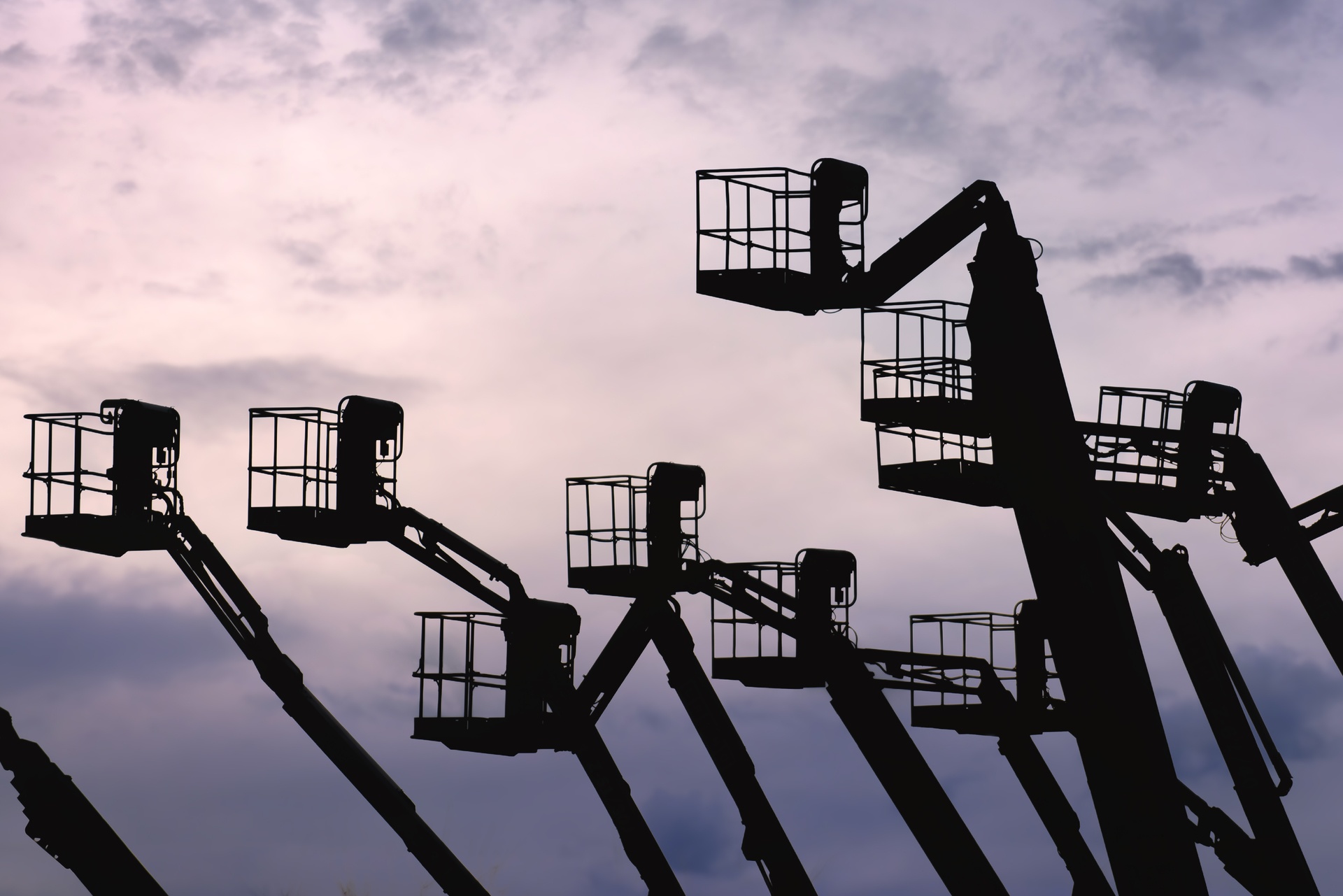




Aerial Work Platform Operations
Every work-at-height task comes with some well-known risks. Moreover, workers often have to undergo significant physical strain to complete their jobs. This scenario is evident in almost every industry, including the construction sector. However, things are gradually improving as advanced technologies are integrated into aerial work platforms. Aerial work platform operators can use digital solutions to improve job-site safety, operational efficiency, and equipment usage. Boom lifts with hydraulic systems are no longer merely tools. These machines are now part of a digital network that is redefining how workers perform jobs at height. Whether you are managing a complex project or working under tight deadlines, you can rely on modern boom lifts to execute tasks more efficiently by improving monitoring, analysis, and equipment utilization. Here are some crucial insights in this context.
Telematics And Smart Sensors
Many advanced aerial work platforms now feature telematics and intelligent sensors. In these large, heavy machines, these components work as a nervous system. They continue to gather data on the machine's battery status, hydraulic pressure, platform tilt, and load weight. Technicians or operators can use this data to assess the condition of various components. Due to constant monitoring, it has become easier to identify fluctuations in temperature and hydraulic pressure. These events may indicate that the hydraulic pump is weak. As a result, trained staff can fix the issue and prevent machine breakdowns. This is a good example of predictive maintenance. To be precise, you can benefit from the digital capabilities of boom lifts in several ways.
- You can detect potential machine failure risks through continuous monitoring of battery and hydraulic fluid conditions.
- Telematics can provide valuable information on idle time and engine hours, helping you improve battery and fuel usage by addressing operational inefficiencies.
- You can also reduce the risk of unauthorized use and theft with digital solutions that alert operators when equipment leaves its designated zone.
Effects Of Automation On Safety
In the context of aerial work, ensuring worker safety is the most important priority. With the addition of efficient digital solutions to boom lifts, operators can now work even in complex environments with greater confidence. Many lifts come equipped with collision avoidance systems. These sensors alert operators to potential obstacles around the platform in the work area. Some machines can stop automatically if the operator fails to detect an upcoming hazard. The digital systems in aerial lifts also track platform stability and load distribution with an emphasis on the center of gravity. Essentially, you may need these technologies for multiple reasons.
- To avoid or minimize collision risks involving obstacles, such as other machines and workers.
- To operate the machine within its safe operating envelope by monitoring ground conditions and platform load limits.
Smart Sensors And Telematics
There are advanced aerial work platforms that have telematics and intelligent sensors. These parts are a nervous system in these big heavy machines. They're still collecting data about the machine's battery level, hydraulic pressure, platform tilt and load weight. This information can be used by technicians/operators to check the condition of the various components. This is because the temperature and hydraulic pressures are monitored all the time, making it easier to detect fluctuations. These events may be a sign of a failing hydraulic pump. Therefore, trained personnel can effectively solve the problem and avoid machine failure. This is a typical application of predictive maintenance. In technical terms, there are a few ways to reap the rewards from the boom lift digital technology. Machine failure can be identified by regularly checking battery and hydraulic fluid condition.
Telematics can provide you with valuable data on idle time and engine hours, which can lead to better battery and fuel consumption, and better operational efficiency. There are also ways to decrease the potential of unauthorized operation and theft using digital solutions—such as sensors that notify operators when equipment moves outside of its specified area.Fleet managers can access multiple boom lifts remotely from a single dashboard, facilitating easier maintenance scheduling, utilization tracking, and overall fleet performance. Historical performance data aids companies in determining usage patterns, maximizing equipment utilization, and in the planning of future projects.
The active safety features of digital solutions help make aerial lifts more productive and safer for workers. Nevertheless, you should rent your unit only from a trustworthy supplier. A reputable supplier will offer reliable equipment and fair pricing. You can find many heavy equipment rental options. Their rental services are suitable for almost all major industries. Still, you should check everything carefully before signing a contract. Renting heavy equipment is a major decision, after all.