


Celebrating International Mother Language Day 2026: Why It's Important To Promote Multilingual Competence Through Education
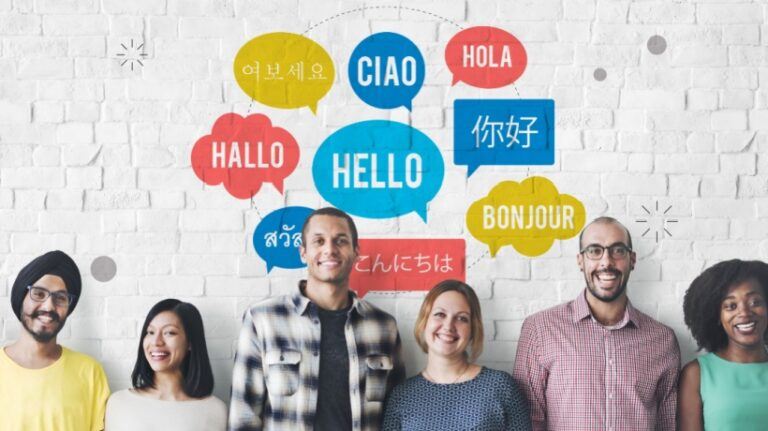
As International Mother Language Day 2026 approaches, we are once again reminded of the importance of empowering individuals to learn in their language of choice and not in an established lingua franca, most commonly English. This year's theme, "Youth voices on multilingual education," further highlights the crucial role young people play in defending and reclaiming their right to education in their native language. Most importantly, as these young people grow up and enter the workforce, it becomes clear that multilingual competence is not only a cultural asset but also a competitive advantage that can make them desirable candidates in the future. In this article, we will discuss why multilingualism is important and how eLearning can support multilingual education.
6 Reasons To Appreciate Employees With Multilingual Skills
For many years, multilingual competence was either ignored or considered nice to have by employers. However, in this day and age of remote work, diverse workforces, international partnerships, and global customer bases, being able to seamlessly switch languages is quickly becoming a foundational skill for employees. Let's look at some of the skills and special competencies multilingual professionals possess, which make them desirable employees.
Cognitive Agility
The main way in which individuals benefit from multilingual competence is through greater cognitive agility. Multilingual people can quickly adapt their thinking and switch between tasks in the same way that they effortlessly and swiftly switch between languages. This also extends to their learning abilities, as multilingual individuals often demonstrate a stronger adaptability in reskilling and upskilling initiatives. Additionally, their ability to analyze situations and problems through different language prisms unlocks new avenues for innovation and effective communication. These skills are invaluable in the fast-paced business environment, where employees must adapt to evolving customer and industry needs.
Market Access And Customer Trust
It is particularly common for businesses nowadays to cater to an international audience. And even though English often works as an intermediary language for all, there are certainly times when clients prefer to express themselves in their own language. Giving them this opportunity through employing a multilingual workforce reduces misunderstandings, makes customers feel valued, and creates a more positive brand image. Moreover, it helps your business expand faster into international markets, as investing in linguistic competence instead of mere translation facilitates better engagement with your new audience and showcases a commitment to local stakeholders.
Innovation Through Perspective Diversity
Language significantly shapes our perception of the world around us, influencing how we think, communicate, and address challenges. As a result, exposure to multiple languages, especially from a young age, promotes the development of unique cognitive skills, encouraging innovative ideas and creative solutions. In team settings, multilingual individuals are able to contribute diverse experiences and viewpoints, which not only enhance group dynamics but also productivity. This fosters cognitive diversity and, in turn, more in-depth brainstorming and out-of-the-box thinking. This is in contrast to more homogeneous groups, where these elements may be limited, negatively impacting their problem-solving abilities.
Professional Differentiation
In some industries, multilingualism is not only a desired skill but also a differentiator among candidates. Let's see what some of them are:
- International Sales and Marketing: Multilingual professionals can connect deeply with diverse customers, tailoring marketing strategies to specific cultures and fostering trust, which leads to increased sales.
- Customer Success: In customer support roles, multilingual employees enhance service quality by communicating in clients' preferred languages, resulting in greater satisfaction and long-term relationships.
- Global HR: Multilingualism in HR allows professionals to engage with a broader talent pool and manage diverse teams effectively, fostering an inclusive workplace that boosts employee motivation.
- Localization and Content Development: As businesses expand globally, multilingual skills are essential for creating localized content that resonates with local audiences, ensuring effective communication and branding.
- IT and Tech: Multilingualism allows professionals to effectively collaborate with remote teams and run tests in diverse markets.
- Healthcare: In high-stress environments, finding interpreters and translators may be challenging. Having multilingual employees ensures smooth communication with patients from diverse backgrounds.
Leadership Readiness
With the rise of remote workforces, there is no doubt that leaders will sooner or later have to manage culturally diverse teams. While it is not possible, nor necessary, for a leader to speak the native languages of all employees, being multilingual themselves makes them more capable of understanding and navigating cultural and linguistic nuances. This capability empowers them to transform workplace diversity from a potential source of misunderstandings into an opportunity for innovation, creative thinking, and effective collaboration. As a result, they can foster a more inclusive work environment in which all employees are respected, regardless of their background.
Authenticity And Engagement
Being forced to suppress their linguistic identity can significantly impact a person's sense of belonging and self-confidence in the workplace. When employees cannot express themselves in their preferred language, they may feel marginalized, leading to decreased engagement and productivity. In contrast, organizations that encourage multilingual identities foster an inclusive environment that enhances team performance and collaboration and boosts individual confidence, creativity, and innovation. Companies that embrace this approach are also more successful in attracting top talent from diverse backgrounds, as they demonstrate a commitment to inclusivity. Ultimately, prioritizing linguistic identity allows businesses to unlock the full potential of the workforce and strengthen the team.
How Can eLearning Support Multilingual Competence?
If multilingual competence is a competitive advantage that young professionals increasingly expect to be recognized, then it is essential for organizations to figure out how they can support it at scale. In other words, organizations can't limit themselves to searching for and celebrating multilingual talent; they must also help them further develop their skills and apply them effectively in their work.
This is where eLearning enters the conversation, as a strategic tool that allows organizations to preserve linguistic identity, expand access, and embed multilingual competence into everyday professional development. Let's see how it achieves this:
1. Multilingual LMS Design
Modern Learning Management Systems (LMSs) offer several features to support multilingual education, including:
- Options for different interface languages
- Multiple localized versions of courses
- Subtitles and transcripts for accessibility
- Integration with translation tools
However, effective multilingual learning extends beyond simple translation. True localization involves adapting examples, visuals, scenarios, and cultural references to connect with diverse audiences. It is important to note here that it's best to ensure linguistic accessibility from the get-go, instead of trying to change content down the road.
2. Microlearning For Language Reinforcement
Language proficiency requires ongoing exposure. Microlearning provides employees with a scalable way to reinforce their skills without overwhelming them. Specifically, organizations can integrate:
- Short multilingual simulations
- Weekly vocabulary or communication nudges
- Role-play scenarios in multiple languages
- Scenario-based branching exercises tailored to regional contexts
This approach embeds language development into everyday workflow learning rather than treating it as a separate initiative.
3. Social And Peer-Based Learning
In the modern business landscape, employees thrive in participatory environments. As a result, digital learning platforms should enhance collaboration among employees by supporting:
- Multilingual discussion forums
- Peer translation and review projects
- Language mentorship programs
- Employee-generated learning resources
When employees share knowledge in their native languages, informal learning becomes more effective and engagement increases. Social learning transforms multilingualism from an individual asset into a collective organizational strength.
4. AI-Powered Language Support
Artificial Intelligence (AI) has significantly lowered barriers to multilingual learning by offering the following benefits:
- Real-time translation
- Adaptive language exercises
- Pronunciation feedback
- Multilingual virtual learning assistants
For global organizations, AI-enabled accessibility ensures that language differences do not become learning barriers. However, technology should enhance, rather than replace, human linguistic diversity. While automated translation can improve access, it must be complemented by culturally informed design and human review.
5. Measuring Multilingual Learning Impact
Strategic initiatives require measurable outcomes. Therefore, organizations must evaluate:
- Course completion rates across language versions
- Engagement metrics segmented by language preference
- Learner feedback on the quality of localization
- Career advancement opportunities for multilingual employees
- Correlation between multilingual competence and business outcomes
Data-driven insights help L&D leaders demonstrate ROI and continuously refine multilingual strategies. Without measurement, multilingual support may not achieve its intended results.
Conclusion
Business leaders are increasingly recognizing the significance of multilingual competence as a valuable skill to remain competitive in the global business landscape. For employees, especially those entering the job market now, maintaining a multilingual identity helps enhance their uniqueness, readiness for leadership, and cognitive flexibility. For organizations, using eLearning to encourage multilingual education and support multilingual identity is becoming an essential step to drive organizational success as well as inclusion. International Mother Language Day 2026 urges us to recognize the importance of recognizing and supporting multilingualism, not through symbolic gestures but through intentional learning design that nurtures and measures linguistic diversity.